Last updated: September 2026
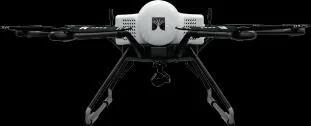
A hydrogen drone is an unmanned aircraft powered by a proton-exchange-membrane (PEM) fuel cell that converts pressurized hydrogen and ambient air into electricity, emitting only water vapor. Where a battery multi-rotor typically flies 20–40 minutes, hydrogen-powered multi-rotors are specified at 3 hours and beyond — beneuav’s HPD series at 200 minutes (manufacturer specification)†, with research platforms demonstrating still longer flights (industry reference).
How the Power System Works
- Storage — industrial gas cylinders (typically 300-bar composite) feed hydrogen through a pressure regulator.
- Fuel cell stack — the PEM stack combines hydrogen with oxygen from air; electricity is generated electrochemically, with water vapor as the only exhaust.
- Power electronics — a controller conditions stack output for the flight motors and avionics, buffering transients.
- Refuel — cylinders swap in minutes; no charging cycle exists at all.
Why Endurance Triples
Energy, not efficiency, is the story: compressed hydrogen stores several times the usable energy per kilogram of a lithium pack (industry reference). The practical result across published systems: fuel-cell multi-rotors fly 3–5× longer than battery equivalents of the same class (industry reference)†ᵀ³.
What Missions Benefit Most
- Long linear assets — pipelines, power lines, coastlines, borders (fewer launches per km).
- Persistent presence — patrol and surveillance where relanding breaks the mission.
- Grid-independent sites — pair with a silent hydrogen generator and the whole operation runs off cylinders.
What Hydrogen Requires
- Cylinder logistics and handling procedures (standard industrial gas supply).
- Site rules for pressurized gas (standard safety practice; briefing included with our systems).
- Up-front system cost higher than batteries — recovered in mission hours and reduced ground crew (see our cost comparison).
beneuav’s Hydrogen Platform
The HPD series is specified at 200 minutes endurance, 150 km control radius, ≤10 kg payload (manufacturer specification)†, developed with a hydrogen partner operating a joint laboratory with a national-level research institute since 2022.
FAQ
How long can a hydrogen drone fly?
Commercial systems typically fly 2–3 hours; the Benelabo HPD series is specified at 200 minutes (manufacturer specification), and research platforms have demonstrated longer.
Is a hydrogen drone safe?
It uses standard certified gas cylinders with regulators and leak-check procedures; the fuel cell produces no combustion — handling discipline resembles ordinary industrial gas practice.
What happens to the water exhaust?
It is vapor, in small quantities — harmless to payloads and environment.
Does cold weather affect it?
Fuel cells favor cooling; low-temperature starting depends on system design — discuss your climate in the RFQ.
Hydrogen drone vs battery drone — which should I buy?
For short, frequent sorties near chargers, batteries stay simpler; for corridors, patrol lines and grid-independent sites, hydrogen’s 3–5× endurance wins — full comparison in hydrogen vs battery drones.